

Missouri Legislature Passes Language to Protect Workers in Payroll Processing Agreements
JEFFERSON CITY, MO — Within Senate Bill 98 the Missouri General Assembly has approved new statutory language to clarify and protect the rights of employees and payees when payroll services are outsourced to third-party processors. Murray’s amended provision ensures accountability and reinforces safeguards for workers who rely on timely and accurate payroll payments. The amendment clarifies and cleans up unintended consequences from the 2024 Money Monetization Act.
The newly passed language establishes that a person or entity acting as an agent for a payor, such as an employer, does not need to be separately licensed to provide payroll processing services, provided certain conditions are met. These include:
- A written agreement must exist between the payor and the agent for the provision of payroll processing services.
- The agent must be publicly identified by the payor as acting on its behalf.
- Most importantly, the payor remains fully responsible for the obligation to pay employees or other payees, even if the agent fails to deliver the funds.
“This provision is about making sure workers are never left in the lurch because of a technicality or outsourcing,” said Representative Marty Joe Murray (D-St. Louis), who supported the measure. “Employers cannot use third-party processors to shift responsibility. If a paycheck doesn’t land where it should, we’re holding the employer accountable; plain and simple.”
The change brings Missouri in line with evolving business practices while putting clear legal guardrails in place to ensure transparency and fairness in wage payment processes. The statutory update is expected to streamline compliance for businesses while maintaining robust protections for Missouri’s workforce.
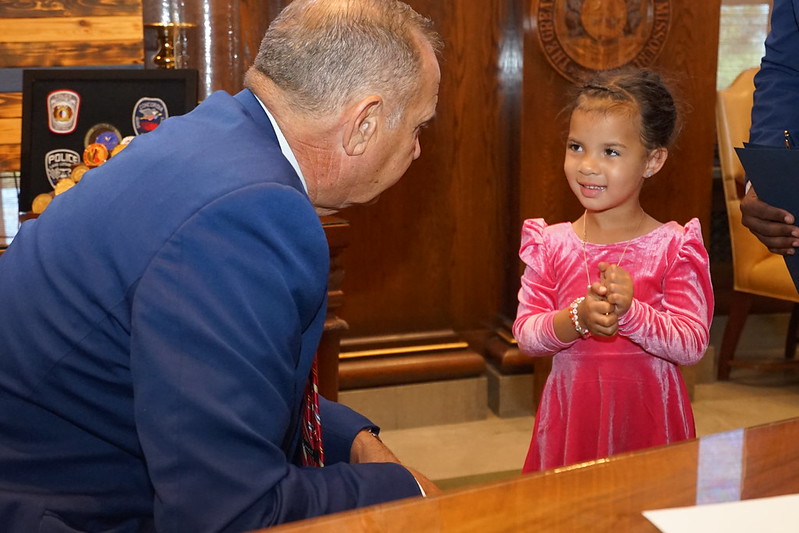
Example: Outsourced Payroll Processing for a Small Business
Scenario: A small manufacturing company, Midwest Components LLC, hires a third-party payroll processing firm, QuickPay Services Inc., to handle its employee payroll.
Application of the New Language:
- Midwest Components LLC enters into a written agreement with QuickPay Services Inc., authorizing it to process and distribute paychecks on the company’s behalf.
- The company notifies employees that QuickPay Services is handling payroll and paystubs, clearly presenting the firm as acting in its name.
- One week, due to a technical issue on QuickPay’s end, a batch of employee direct deposits fails to process.
Under the new provision: Even though QuickPay Services Inc. failed to remit the funds, Midwest Components LLC remains legally obligated to pay its employees. The law makes it clear that the employer’s responsibility to workers is not extinguished by a third-party agent’s error or negligence.
Result: Employees are protected from delayed or missing wages, and businesses are incentivized to contract only with reputable processors, knowing they retain ultimate accountability.
 Marty Joe Murray, Jr